
Coves de la Vall
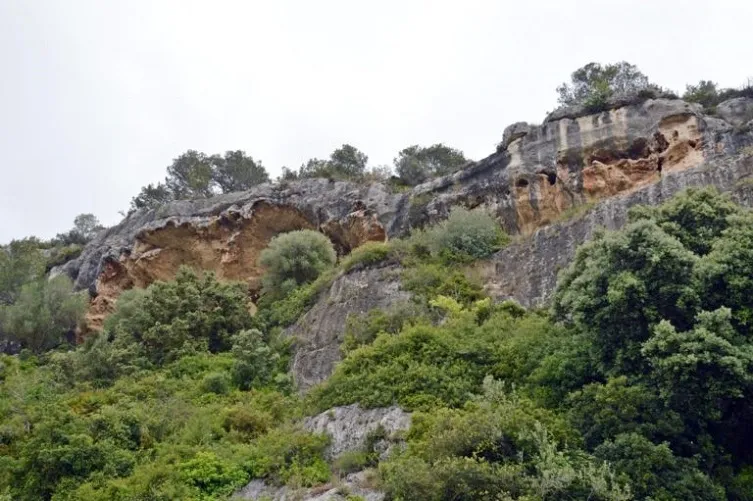
A group of shelters and small hollows along the cingle de la Vall de la Seguera (Olèrdola), with balmes of archaeological and troglodytic interest.
EspeleoWorld
Coves de la Vall
A group of shelters and small hollows along the cingle de la Vall de la Seguera (Olèrdola), with balmes of archaeological and troglodytic interest.
Olèrdola · Alt Penedès
Length: 12 m
Updated record
https://espeleoworld.com/en/c/coves-de-la-vall
Information can change. Always verify coordinates, access, weather, and cave conditions before setting out.
A group of shelters and small hollows along the cingle de la Vall de la Seguera (Olèrdola), with balmes of archaeological and troglodytic interest.
Topographic
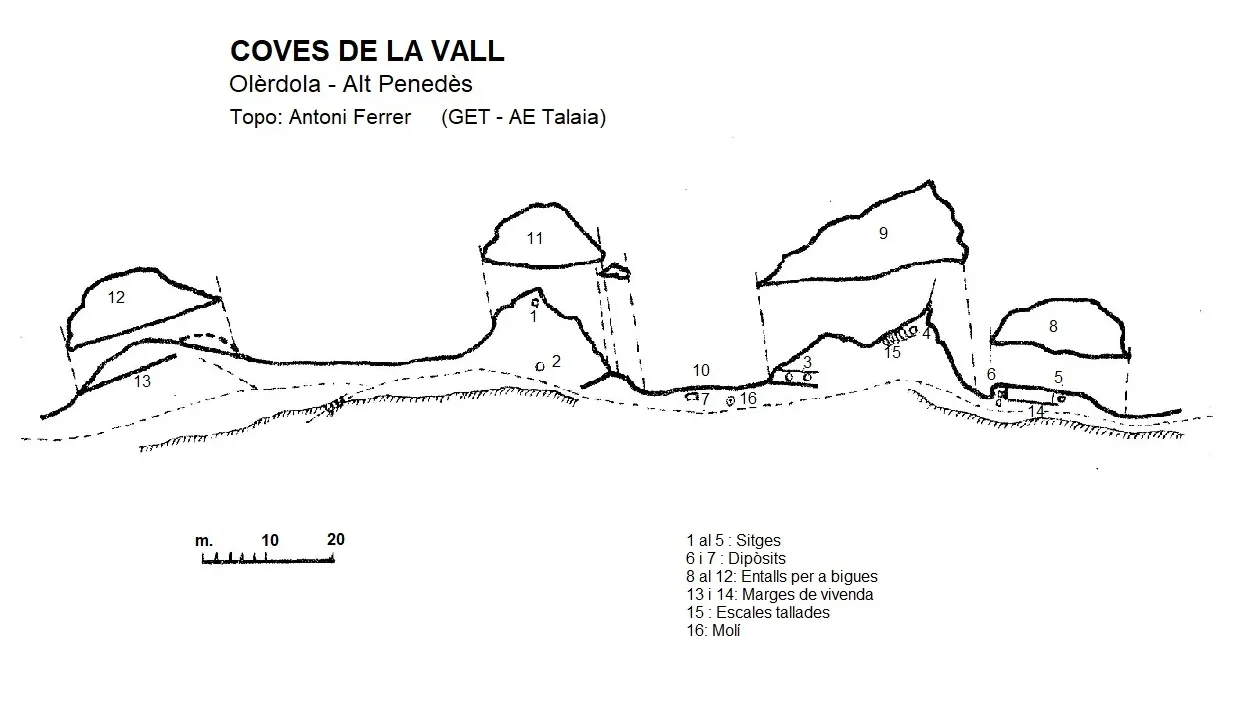
Espeleoindex · CC BY-NC 4.0, https://creativecommons.org/licenses/by-nc/4.0/ · Image © its author.
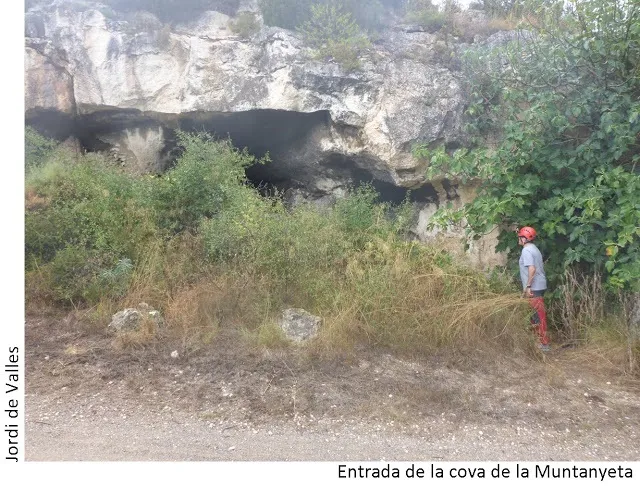
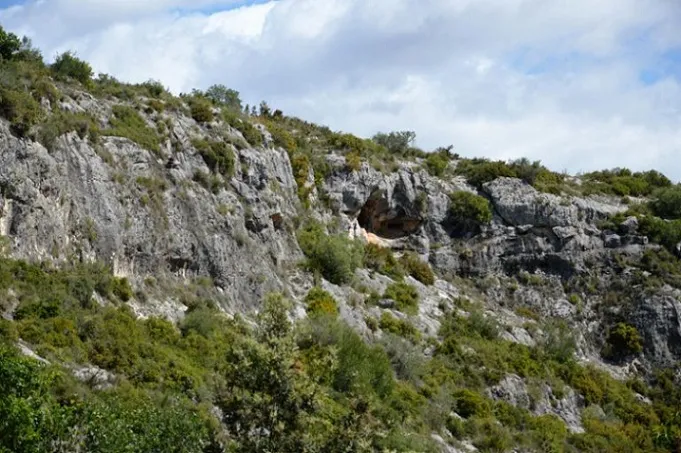
Photos
Espeleoindex · CC BY-NC 4.0, https://creativecommons.org/licenses/by-nc/4.0/ · Image © its author.
Description
Morphology
A group of balmes and small hollows of little speleological interest but important from the archaeological point of view. The Balmes de Cal Ximet have maximum dimensions of 50 metres in length by 9 in height and about 12 metres in depth. The Balmes de Can Castellví have characteristics identical to its neighbour of Cal Ximet.
Other details
The balma de Cal Ximet is occupied by storage silos and the remains of walls of masonry and dry stone. Inside, a series of structures excavated in the rock can be seen: stairs, holes for beams and two groups of silos considered to be of medieval times. In the Balmes de Can Castellví there is a mill wheel. In 1970, some rock paintings of a schematic abstract type were discovered, representing a small carnivore, two indeterminate animals and various colour patches. Archaeological finds corresponding to the Bronze Age, Iberian and early medieval periods have been made at the group. These cavities form one of the most remarkable troglodytic groups of the Penedès.
History
Known since time immemorial. The first data on their historical interest are due to visits by scholars from Vilanova i la Geltrú, during the 1960s. The first paintings were discovered in 1970 in the sector of Can Castellví. The medieval structures and rock paintings are protected as a World Heritage Site within the Rock Art of the Mediterranean Basin on the Iberian Peninsula.
User Comments (0)
No comments yet.
Be the first to share your experience!
Registered Explorations (0)
No explorations registered yet.
Register your visit to this cave!
Bibliography
- Aymamí, G. (1993).- “Contribució al coneixement espeleològic de l'Alt Penedès (15ena nota)”. Excursionisme (213): 188-192. Unió Excursionista de Catalunya. Barcelona.
- Ferrer, A. (1968).- “Les cavitats de Sant Miquel d'Olèrdola – Alt Penedès i Garraf”. Espeleòleg (7): 275-278. ERE – Centre Excursionista de Catalunya. Barcelona.
- Virella, J. (1980).- “Habitacles troglodítics”. Miscel·lània Penedesenca (3): 259-279. Institut d'Estudis Penedesencs.
- Altres dades, topografia i fotografies extretes del web: geb.cat (del Grup d'Espeleologia de Badalona). Apunt del 19-8-2018. Dades: J. Cuenca i X. Samarra (GEB)
Nearby caves


Source: Espeleoindex (espeleoindex.com), modified. CC BY-NC 4.0, https://creativecommons.org/licenses/by-nc/4.0/