
Cova del Centenari
A small cave about 7 metres long in the Serra de l'Obac (Mura), with a triangular mouth, two limestone phenomena and a piece of Iron Age pottery.
EspeleoWorld
Cova del Centenari
A small cave about 7 metres long in the Serra de l'Obac (Mura), with a triangular mouth, two limestone phenomena and a piece of Iron Age pottery.
Mura · Bages
Length: 7 m · Depth: 2 m
Updated record
https://espeleoworld.com/en/c/cova-del-centenari-mura
Information can change. Always verify coordinates, access, weather, and cave conditions before setting out.
A small cave about 7 metres long in the Serra de l'Obac (Mura), with a triangular mouth, two limestone phenomena and a piece of Iron Age pottery.
Topographic
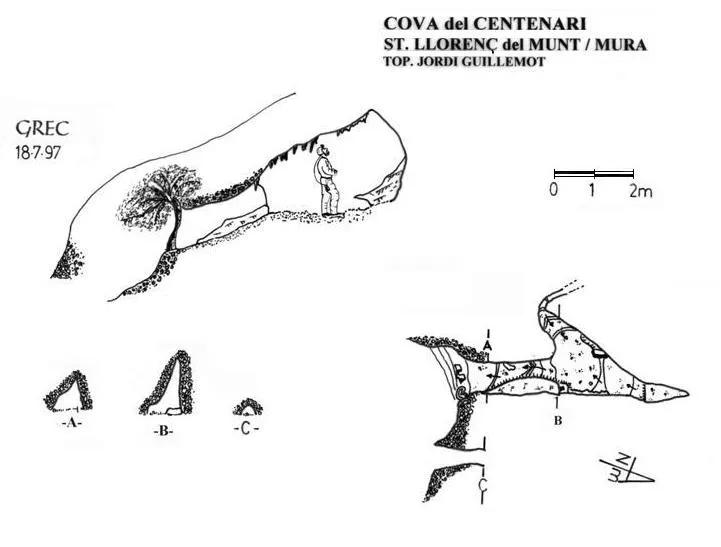
Espeleoindex · CC BY-NC 4.0, https://creativecommons.org/licenses/by-nc/4.0/ · Image © its author.
Description
Morphology
The mouth, triangular in shape, measures one metre in height by 80 cm at the base and gives way to an ascending ramp two and a half metres long, the end of which opens into a small chamber high enough for us to stand up in, where we can observe two joints almost perpendicular to each other and which soon become impassable.
Speleothems
Notable are the two limestone phenomena that cover the walls of the cavity. The right-hand wall is covered with smooth flowstone of a whitish tone, with some stalactite, while the left-hand wall is covered with anemolites, of coral-like appearance.
Other details
On the floor of this small chamber the piece of pottery was discovered, part of which remained half-buried, in a clayey and dry soil disturbed by rodents, which had left there the characteristic imprint of when they dig their burrows.
History
It was a close call that the cova del Centenari went unnoticed, hidden as it was behind a cascade of bramble and blackberry bushes, which sealed its entrance. On moving the grass aside we found a crevice hanging one and a half metres above the ground. With the simple gesture of approaching it, we discovered that the crevice, almost imperceptible, was the antechamber of a cave with a triangular mouth that barely rose one metre in height. On the first exploration, and to crown it all, we stumbled upon a fragment of Iron Age pottery among the surface material. The piece is deposited in the Museu de Terrassa.
Araceli Martín, at that time territorial head of the Servei d'Arqueologia de la Generalitat, confirmed, moreover, that it was a coarse fragment (hand-made) corresponding to a funerary cremation urn, quite common in our country, and belonging to the period also known as the Urnfield Culture. From the small and uncomfortable dimensions of the cavity, it can be deduced that very probably it had no other function than that of a sepulchre.
It is worth recalling here that the cavity, as an archaeological site pending excavation, remains protected by the Law on Historical Heritage, and that it is not permitted to carry out any kind of ground disturbance there nor, as is obvious in any cavity, to damage its contents. For lovers of the history of the mountain, it is undoubtedly a unique find referring to a period scarcely represented in any of the also scarce cave sites found within the Park. Indeed, of the more than 150 caves recorded up to now, only in a scant ten has the presence of prehistoric man been proven (counting official and unofficial excavations). Given the interest of the find, it was decided to name the cave Centenari, because the year of its discovery (1997) coincided with the centenary of the publication of the first speleological catalogue by Norbert Font i Sagué, considered the father of speleology in our country. In this way it was intended to pay homage to all speleologists in their endeavour of respectful knowledge of the subterranean world.
User Comments (0)
No comments yet.
Be the first to share your experience!
Registered Explorations (0)
No explorations registered yet.
Register your visit to this cave!
Bibliography
- Totes les dades han estat extretes del web: caudelguille.net (Jordi Guillemot, SIS – CE Terrassa)
Nearby caves
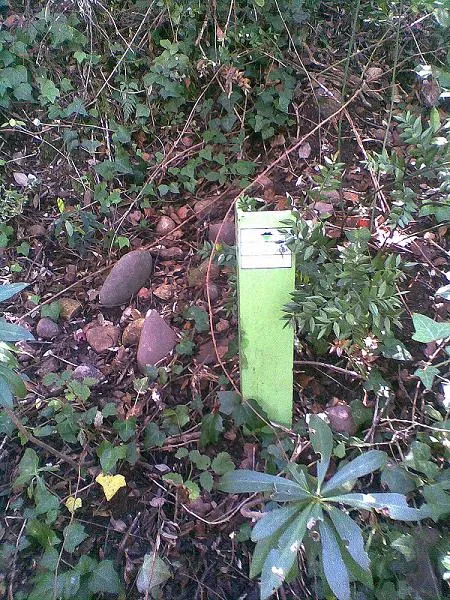
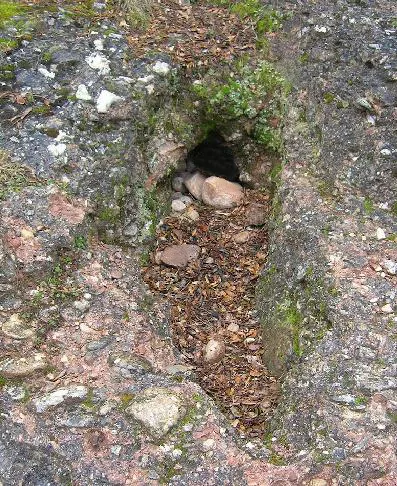
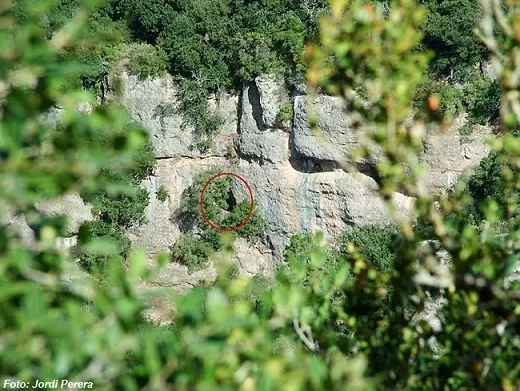

Source: Espeleoindex (espeleoindex.com), modified. CC BY-NC 4.0, https://creativecommons.org/licenses/by-nc/4.0/