
Cuevas de El Castillo y Las Monedas
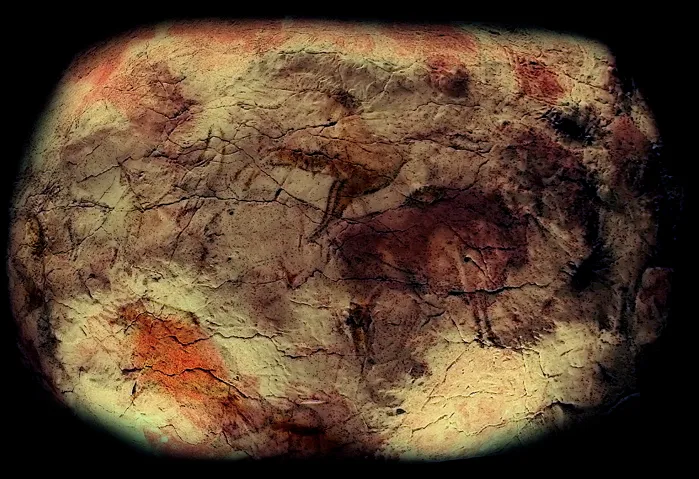
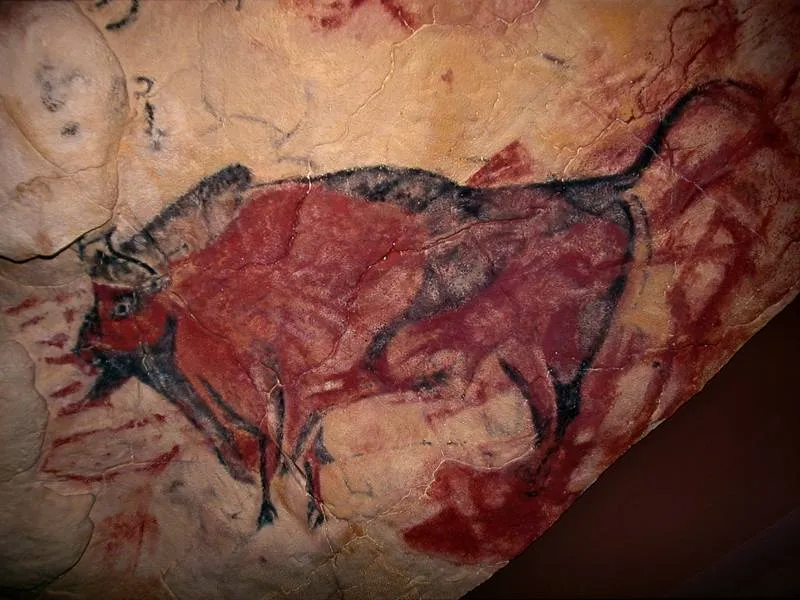
The 1,000 m long Cueva de El Castillo contains more than 150 paintings of different styles from the upper Palaeolithic, including red ochre hand stencils dated to about 35,000 BP.
EspeleoWorld
Cuevas de El Castillo y Las Monedas
The 1,000 m long Cueva de El Castillo contains more than 150 paintings of different styles from the upper Palaeolithic, including red ochre hand stencils dated to about 35,000 BP.
Puente Viesgo
Updated record
https://espeleoworld.com/en/c/cuevas-de-el-castillo-y-las-monedas-puente-viesgo
Information can change. Always verify coordinates, access, weather, and cave conditions before setting out.
The 1,000 m long Cueva de El Castillo contains more than 150 paintings of different styles from the upper Palaeolithic, including red ochre hand stencils dated to about 35,000 BP.
Description
Morphology
The caves were opened by the erosion of the limestone and have been accessible for many thousand years. The 1,000 m long Cueva de El Castillo (El Castillo Cave) contains more than 150 paintings of different styles from the upper Palaeolithic. Nearby lies the 300 m long Cueva Las Monedas (Las Monedas Cave). Next to its central chamber lies a small lateral chamber. The next cave is Cueva Las Chimeneas (Cave of the Chimneys); the chimneys it is named after are shafts connecting the two levels of the cave. Finally there is Cueva La Pasiega (La Pasiega Cave), a complex cave with a length of 300 m.
Other details
Many of the caves have been used by Stone Age man, and many contain artworks such as paintings and engravings. The entrance areas were inhabited and contain thick sedimentary layers with archaeological remains. In the entrance region of El Castillo an 18 m thick deposit, the thickest known at the Cantabrian coast, was excavated and revealed remains from the Acheulien to the Bronze Age; at the beginning of the 20th century this allowed a complete relative sequence of the European palaeolithic to be established for the first time. Decorations in red ochre in the forms of hand stencils at El Castillo are dated to about 35,000 BP. In Las Monedas, the small lateral chamber contains black paintings of animals and a panel of engravings depicting horses, goats, bears, bison and reindeer, dated to the Magdalenian, about 13,000 years ago. Las Chimeneas has some panels of parallel lines called macarroni, abstract figures and also some animal pictures. La Pasiega shows both paintings and engravings, of comparable quality to those in El Castillo Cave. According to a study started in 2005 and still ongoing in 2012, a painting at El Castillo is 40,800 years old, at least 15,000 years older than previously thought; the red sphere was dated using the Uranium/Thorium method, which is more accurate than the C14 method with older samples. Until then the paintings at Chauvet cave in France were thought to be the oldest, being about 32,000 to 37,000 years old. The consequence of this discovery is a new discussion about the origin of the paintings. According to current theory Homo neanderthalensis lived in Europe from about 250,000 years ago until about 35,000 years ago, while Homo sapiens arrived in Europe around 45,000 years ago from the east and it took several thousand years to reach the western parts around 41,000 years ago; the question is whether those paintings were made by the first arriving modern men or by the native Neanderthals. Two caves, El Castillo and Las Monedas, are open to the public; the ticket office for both is located at the cave of El Castillo, and it is best to buy the tickets online and be at least 30 minutes before the beginning of the tour at the ticket office to obtain the tickets.
History
The cave was discovered in 1903 by Hermilio Alcalde del Rio. It was first explored and excavated by Hugo Obermaier. The excavation was continued by Hermilio Alcalde del Rio and L. Sierra, and the results were published in 1911. Las Monedas was discovered in 1952 and named for a number of 16th-century coins found inside; it was explored by Eduardo Ripoll Perelló (1923–2006) after its discovery. La Pasiega was discovered by H. Obermaier and P. Wernert, and the discoveries were published in the book La Pasiega à Puente viesgo by the discoverers, Henri Breuil and Hermilio Alcalde Del Río; the drawings on this page are from this book.
User Comments (0)
No comments yet.
Be the first to share your experience!
Registered Explorations (0)
No explorations registered yet.
Register your visit to this cave!
Nearby caves
Source: Show Caves of the World (Jochen Duckeck) (www.showcaves.com), modified. CC0 1.0, https://www.showcaves.com/english/TermsOfUse.html Show Caves of the World (showcaves.com), Jochen Duckeck · Text by Jochen Duckeck (Cuevas de El Castillo y Las Monedas) · adapted by Espeleoworld (normalized, translated); the adaptation is licensed CC0 1.0, https://www.showcaves.com/english/TermsOfUse.html · data as of 2026