
Cigalèra Deth Bacivèr
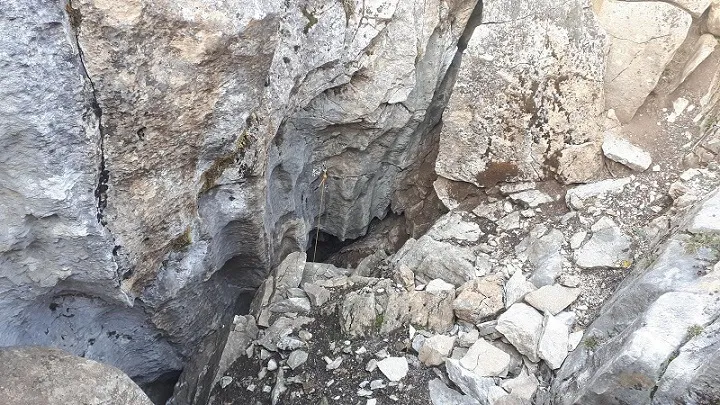
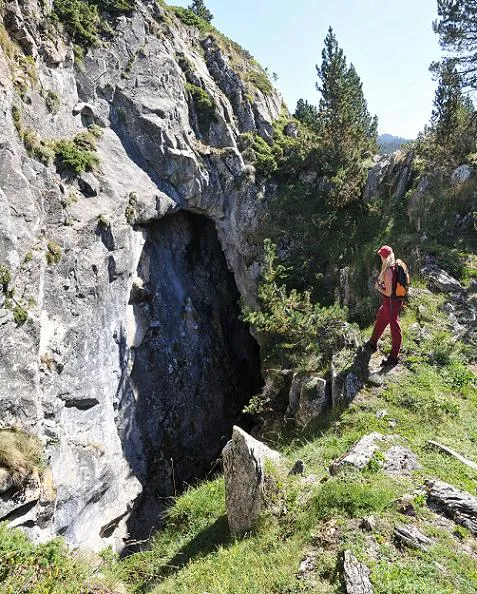
A 163 m deep cavity in Naut Aran (Alt Aran), with seven pits and two drops. Discovered in 1978 and explored and surveyed by ERE-CEC in 1982.
EspeleoWorld
Cigalèra Deth Bacivèr
A 163 m deep cavity in Naut Aran (Alt Aran), with seven pits and two drops. Discovered in 1978 and explored and surveyed by ERE-CEC in 1982.
Naut Aran · Val d'Aran
Length: 215 m · Depth: 163 m
Updated record
https://espeleoworld.com/en/c/cigalera-deth-baciver
Information can change. Always verify coordinates, access, weather, and cave conditions before setting out.
A 163 m deep cavity in Naut Aran (Alt Aran), with seven pits and two drops. Discovered in 1978 and explored and surveyed by ERE-CEC in 1982.
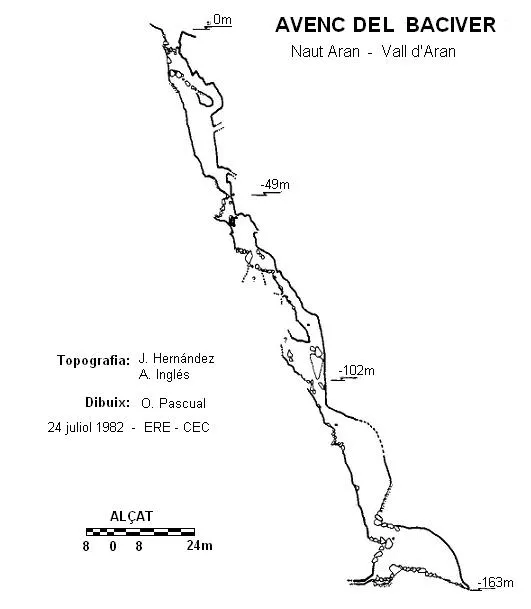
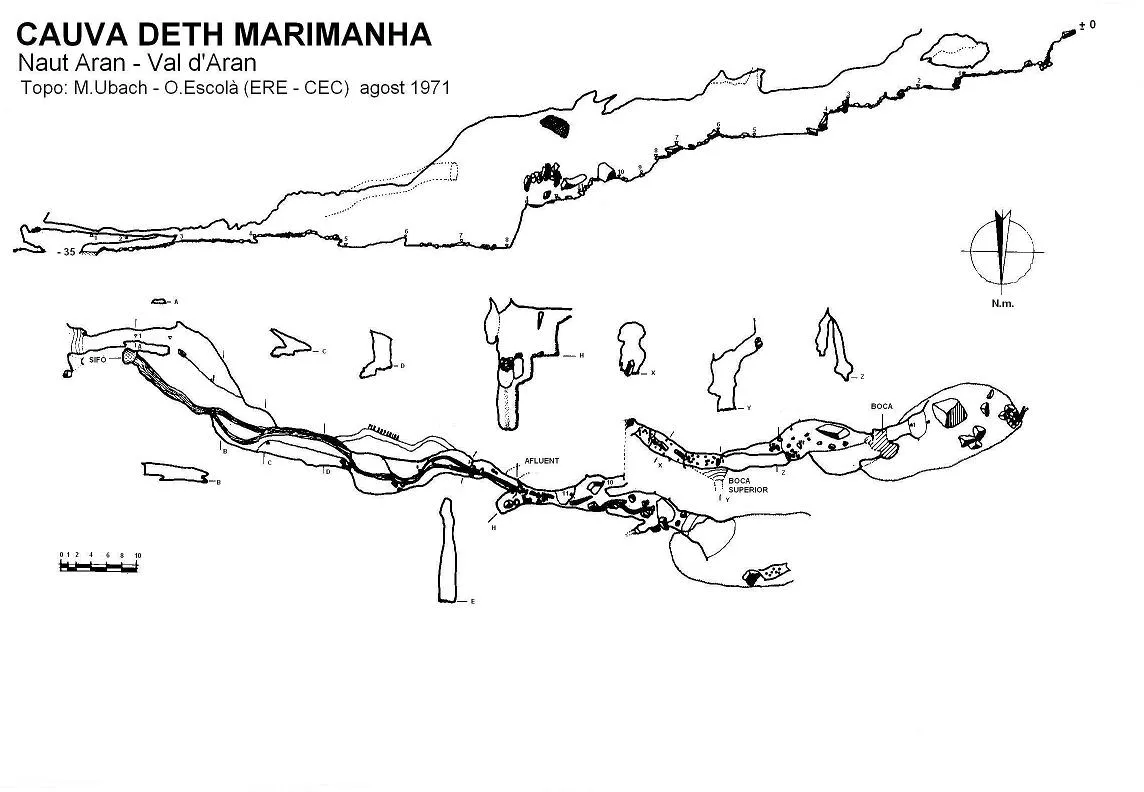
Topographic
Espeleoindex · CC BY-NC 4.0, https://creativecommons.org/licenses/by-nc/4.0/ · Image © its author.
Photos
Espeleoindex · CC BY-NC 4.0, https://creativecommons.org/licenses/by-nc/4.0/ · Image © its author.
Description
Morphology
The cavity consists of seven pits and two drops that can be descended without a rope. Perhaps except for a single pit, the whole cavity could be done by climbing, but with considerable difficulty, since practically the whole cavity has a certain incline. A narrow passage can be mentioned at -49 metres, followed by a drop of about 6 metres. There is a ramp from -72 to -87 metres. The longest pit is 35 metres, but with quite a few ledges, and the final chamber at the bottom is blocked by clastic materials.
Hydrology
In the final chamber at the bottom, blocked by clastic materials, it seems that during the exploration by the Puigmal team they heard a sound of a watercourse without being able to reach it. During the ERE exploration no sound of any kind was heard.
Progression
The cavity consists of seven pits and two drops that can be descended without a rope. Perhaps except for a single pit, the whole cavity could be done by climbing, but with considerable difficulty, since practically the whole cavity has a certain incline.
Other details
From Espeleoíndex, it has been decided to standardise the name of the cavity, since in the Val d'Aran the word avenc is totally non-existent and the most fitting toponym in this case is that of cigalèra.
History
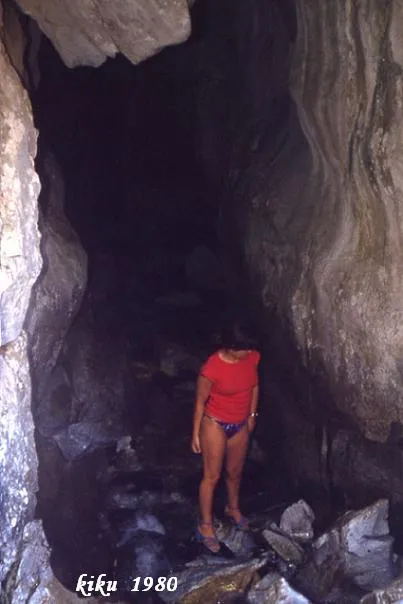
In 1978, Genís Roca (former speleologist of the SES-CE Puigmal de Barcelona), together with Cristòfol España, a resident of the Val d'Aran, found this cavity. He notified members of his group and that same year they made two visits to the cavity: on the first they descended the first pit, and on the second they reached the narrow passage at -49 metres. The following year they continued the exploration, but it was not until 1980 that they reached the end of the cavity.
News of the find spread and some groups from Barcelona tried, without success, to obtain data on its location. At the beginning of 1981, Carme Picañol of the ERE-CEC, during a skiing course at Baqueira-Beret, spoke with Genís Roca and told him that it would be interesting for someone to go and survey it. It was not, however, until July 1982 that members of the ERE-CEC carried out in two trips the total exploration, study and survey of the cavity.
User Comments (0)
No comments yet.
Be the first to share your experience!
Registered Explorations (0)
No explorations registered yet.
Register your visit to this cave!
Bibliography
Cardona, F. (1989).-Grans cavitats de Catalunya Vol. 1, 198 pp. EC de Gràcia, Barcelona.
Escolà, O. (1983).-'Avenc del Baciver'. Espeleòleg (34-35): 252-254, ERE del CE de Catalunya, Barcelona.
Valles, Jordi de (2008).-'Alta Ribagorça, Pallar Jussà, Pallars Sobirà i Val d'Aran'. Catàleg Espeleològic de Catalunya (vol.1): 1-319. EC Gràcia/FCE.
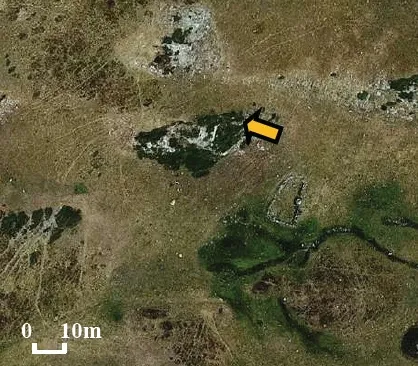
Coordenades i fotografia extretes de Wikiloc, autor r@igon, post del dia 9-10-2019.
Nearby caves


Source: Espeleoindex (espeleoindex.com), modified. CC BY-NC 4.0, https://creativecommons.org/licenses/by-nc/4.0/