
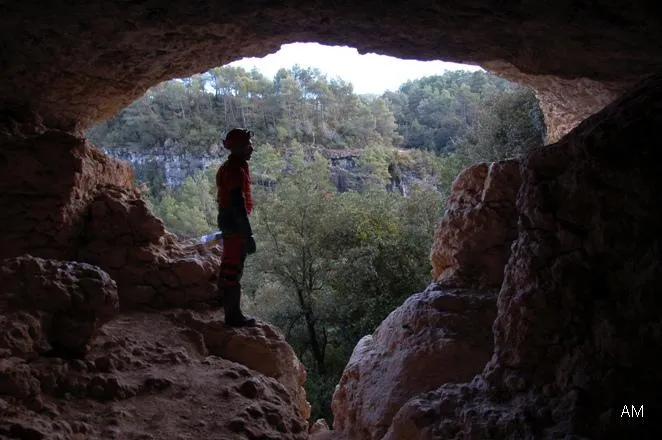
Coves de Castellolí
Known and degraded caves about 450 m long near Castellolí (Anoia), excavated in Eocene limestone.
EspeleoWorld
Coves de Castellolí
Known and degraded caves about 450 m long near Castellolí (Anoia), excavated in Eocene limestone.
Castellolí · Anoia
Length: 450 m · Depth: 10 m
Updated record
https://espeleoworld.com/en/c/coves-de-castelloli
Information can change. Always verify coordinates, access, weather, and cave conditions before setting out.
Known and degraded caves about 450 m long near Castellolí (Anoia), excavated in Eocene limestone.
Topographic
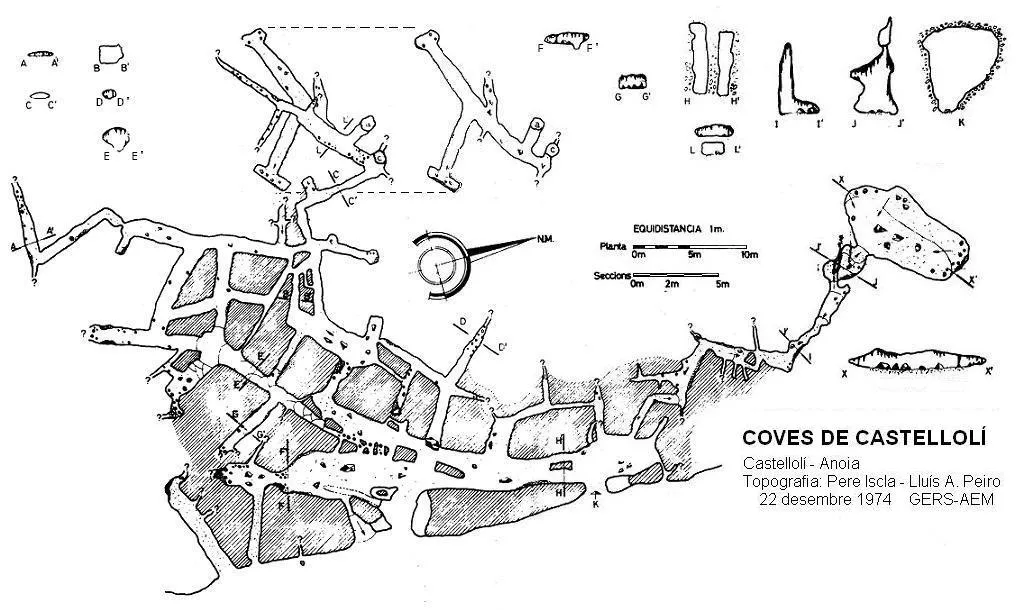
Espeleoindex · CC BY-NC 4.0, https://creativecommons.org/licenses/by-nc/4.0/ · Image © its author.
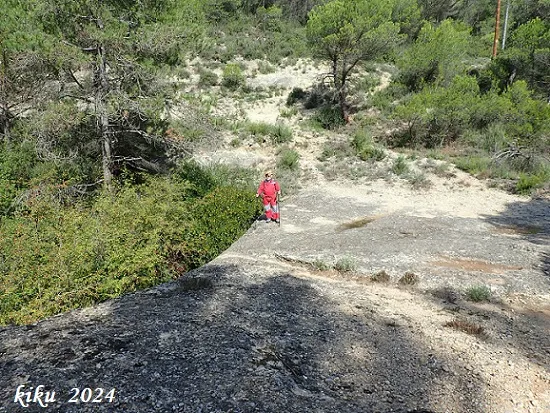
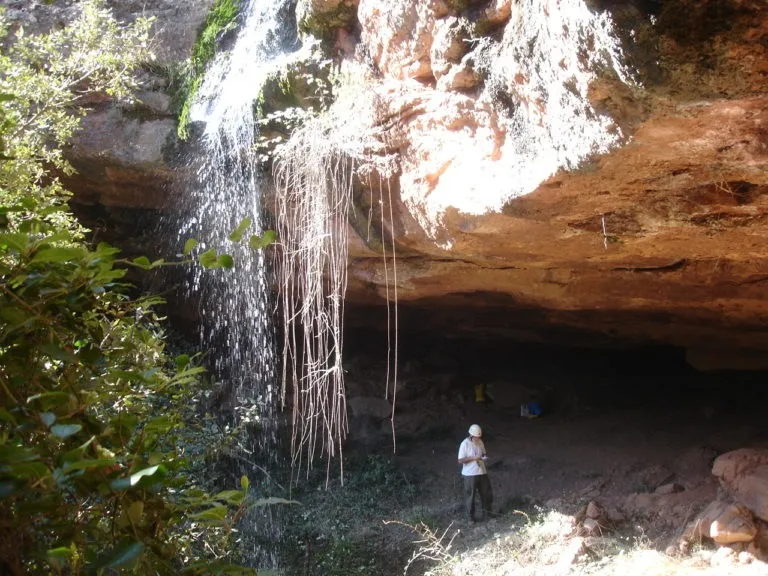
Photos
Espeleoindex · CC BY-NC 4.0, https://creativecommons.org/licenses/by-nc/4.0/ · Image © its author.
Description
Morphology
Entering through the easternmost mouth of all those that open to the outside, we find a wide gallery that extends towards the S. From it different branches set off that make up the network of conduits that form the cavity.
Apart from this gallery that forms the N sector of the cavity, the rest is made up of a narrow network of joints, more or less widened, which give it a labyrinthine layout in which galleries with a very low ceiling predominate, making progress difficult.
The whole cavity is excavated in a package of Eocene limestone, at the edge of the Conca d'Òdena and affected by a network of orthogonal joints that form the reticulated system of the whole set of galleries, excavated in a first phase under phreatic conditions and then undergoing important processes of sedimentation and chemolithogenesis. A residual cavity cut back by erosion of the epigean slope.
Progression
Taking the first passable gallery of the three that we find after the entrance porch, we will head, in a NNW direction, towards the lowest point of the cavity, which is reached after about 40 metres of gallery and after having overcome a 3-metre drop in the meander, to reach a room with a low ceiling and about 12 by 7 metres.
History
Cavities known since time immemorial. It is not until 1907 that Faura i Sans makes a timid mention in his Recull and it seems that a few years later, Amador Romaní pays a visit and Neolithic pottery remains are found.
Despite being cavities visited by a multitude of people (with all the problems of degradation of the environment that this entails), it is not until 1965 that the first study and survey of the caves becomes known, carried out by members of the GES – CMB.
User Comments (0)
No comments yet.
Be the first to share your experience!
Registered Explorations (1)

Exploration date: November 23, 2025
Bibliography
- García, J.Mª; Gascó, J. (1981).- “Coves de Castellolí”. Carbonato (2): 49-52. GERS – Agrupació Excursionista Muntanya. Barcelona.
- Ullastre, J. (1965).- “El karst alóctono de Castellolí” Geo y Bio Karst (8): 2-6. Ed. J.Mª Armengou. Barcelona.
- Coordenades, fotografies i altres dades extretes del blog: Espeleobloc (post del 7-12-2009)
- Fotografies “AM” facilitades per Alfred Montserrat (ERE-CEC) del seu blog: notesdecamp.
Nearby caves
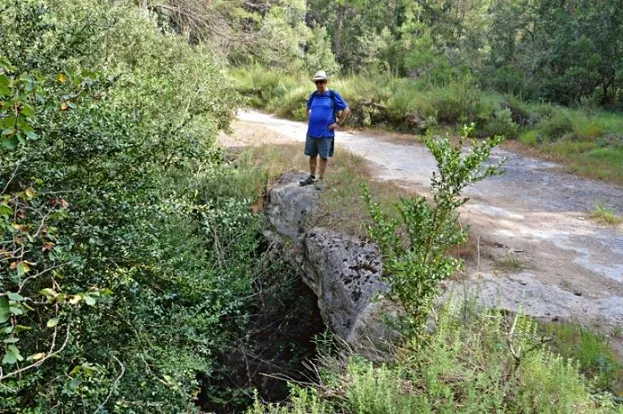
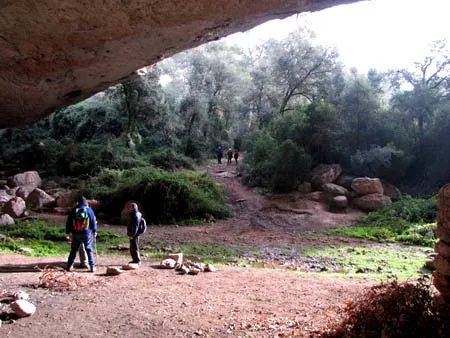


Source: Espeleoindex (espeleoindex.com), modified. CC BY-NC 4.0, https://creativecommons.org/licenses/by-nc/4.0/