
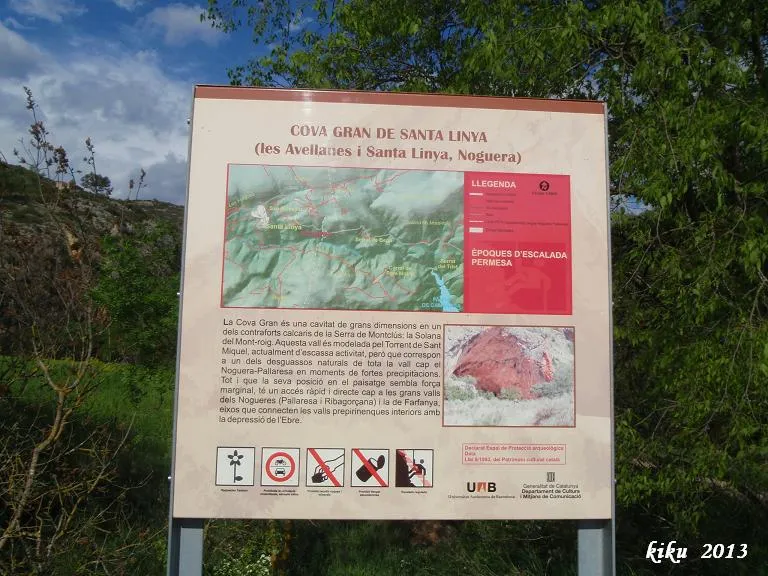
Cova Gran
Large 29-metre-deep rock shelter in Santa Linya, with a 70-metre-wide and 25-metre-high portico.
EspeleoWorld
Cova Gran
Large 29-metre-deep rock shelter in Santa Linya, with a 70-metre-wide and 25-metre-high portico.
Avellanes i Santa Linya, Les · Noguera
Length: 29 m · Depth: 1 m
Updated record
https://espeleoworld.com/en/c/cova-gran-avellanes-i-santa-linya
Information can change. Always verify coordinates, access, weather, and cave conditions before setting out.
Large 29-metre-deep rock shelter in Santa Linya, with a 70-metre-wide and 25-metre-high portico.
Topographic
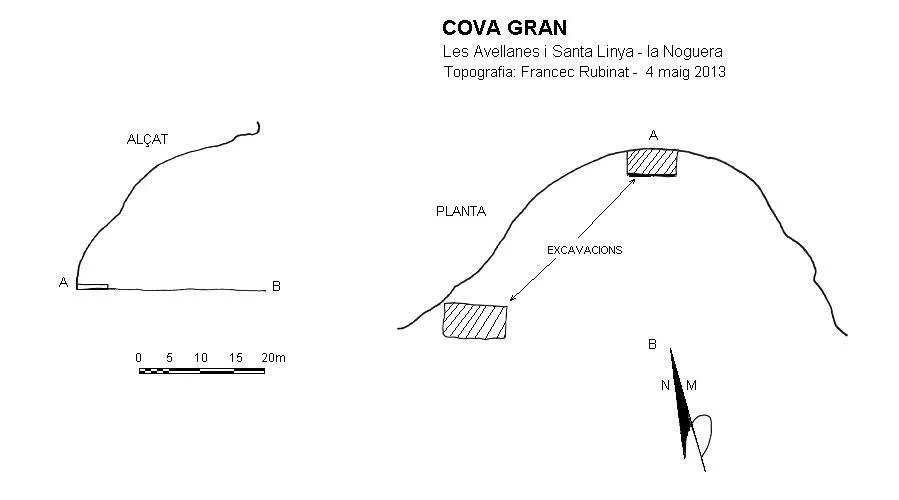

Espeleoindex · CC BY-NC 4.0, https://creativecommons.org/licenses/by-nc/4.0/ · Image © its author.
Photos

Espeleoindex · CC BY-NC 4.0, https://creativecommons.org/licenses/by-nc/4.0/ · Image © its author.
Description
Morphology
It is a large semi-vaulted shelter; the portico is 70 metres wide by 25 metres high and 29 metres deep, which gives the floor plan an approximate surface area of 1800 square metres, far from the 2800 m attributed to it in various reports on the subject. The shape of the cave is due in part to the erosive action of the Sant Miquel ravine.
Other details
From an archaeological point of view, the cave presents an important cultural sequence with occupation levels that include events such as the Middle Palaeolithic - Upper Palaeolithic transition, the extinction of the Neanderthals and their relationship with the presence of the first modern humans. Other processes found there are human presence after the Last Glacial Maximum, as well as the consolidation of the Neolithic.
In the deepest part of the shelter, we find a square made of concrete and covered with iron plates, which delimits part of the site.
History
Known since time immemorial by the people of Santa Linya, it has become a world reference point for climbers, although in 2003 there were only two established routes; it currently has 40 eighth-grade routes and 7 more of 9º. In 2002 it was discovered for the world of archaeology, with the first work at the site beginning in 2004. The bans on climbing in summer while excavation campaigns are carried out have led to some disagreements between archaeologists and climbers.
User Comments (0)
No comments yet.
Be the first to share your experience!
Registered Explorations (0)
No explorations registered yet.
Register your visit to this cave!
Bibliography
- Dades aportades per l'equip d'EspeleoÍndex.
Nearby caves
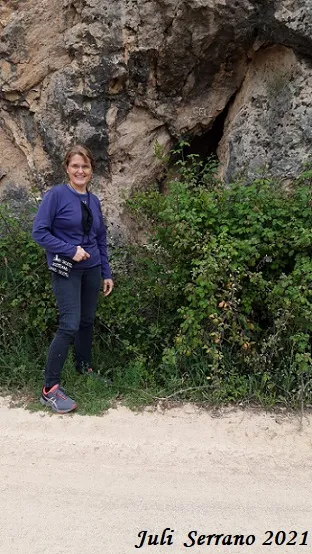
Cova de les Caixes
1.3 km · E
Avellanes i Santa Linya, Les (Noguera)
1 topo.19 photos
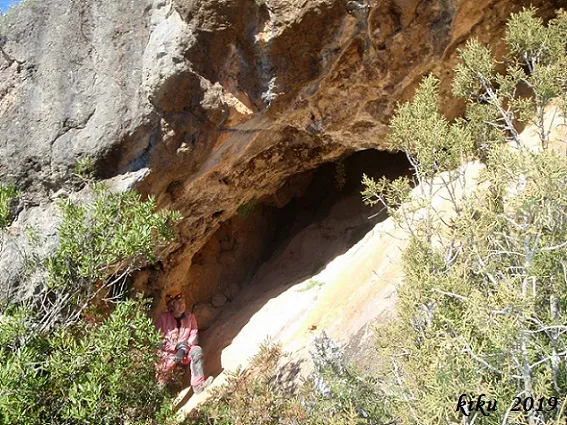
Coveta del Barranc de les Caixes
1.3 km · E
Avellanes i Santa Linya, Les (Noguera)
1 topo.6 photos
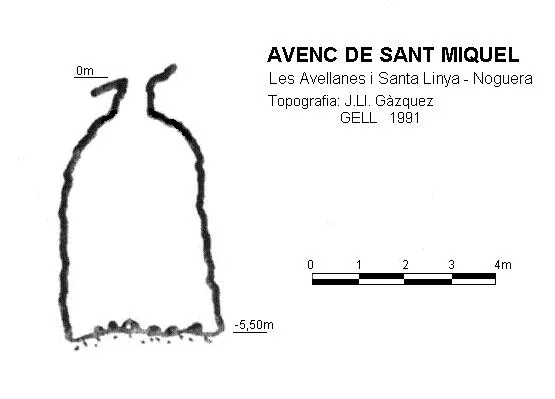
Avenc de Sant Miquel
2.4 km · W
Avellanes i Santa Linya, Les (Noguera)
1 topo.
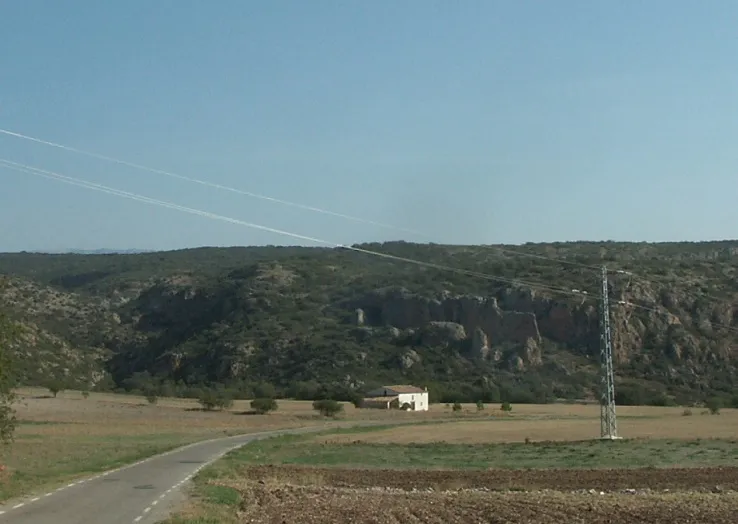
Forat de la Conqueta
2.6 km · W
Avellanes i Santa Linya, Les (Noguera)
1 topo.5 photos
Source: Espeleoindex (espeleoindex.com), modified. CC BY-NC 4.0, https://creativecommons.org/licenses/by-nc/4.0/