
Cova de l'Aigua de Malaterra
Cova de 25 metres de recorregut a Roses.
EspeleoWorld
Cova de l'Aigua de Malaterra
Cova de 25 metres de recorregut a Roses.
Roses · Alt Empordà
Length: 25 m
Updated record
https://espeleoworld.com/en/c/cova-de-l-aigua-de-malaterra
Information can change. Always verify coordinates, access, weather, and cave conditions before setting out.
A 25-metre-long cave in Roses, with a wide entrance and two parallel galleries. Known since ancient times, visited by the SIE of the CEA on 22 April 2009.
Topographic
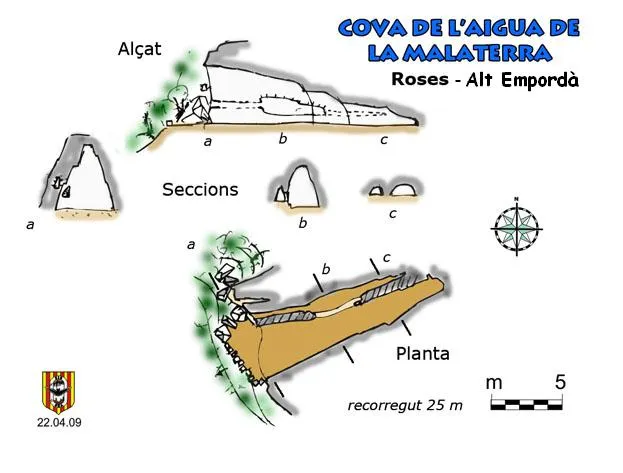
Espeleoindex · CC BY-NC 4.0, https://creativecommons.org/licenses/by-nc/4.0/ · Image © its author.
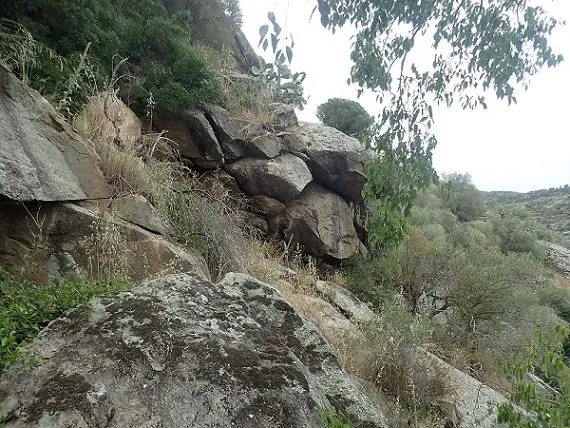
Photos
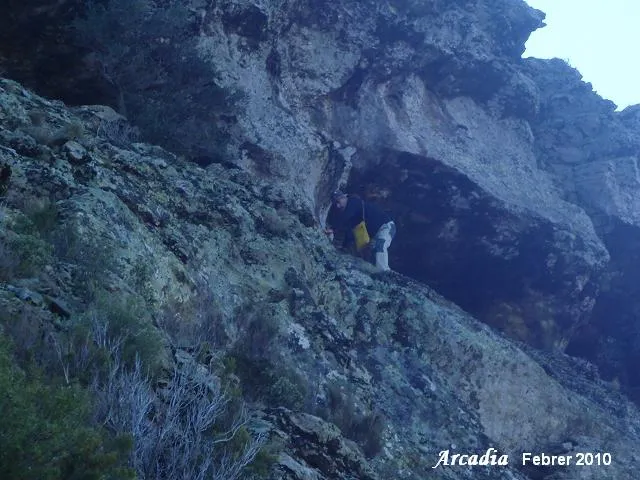
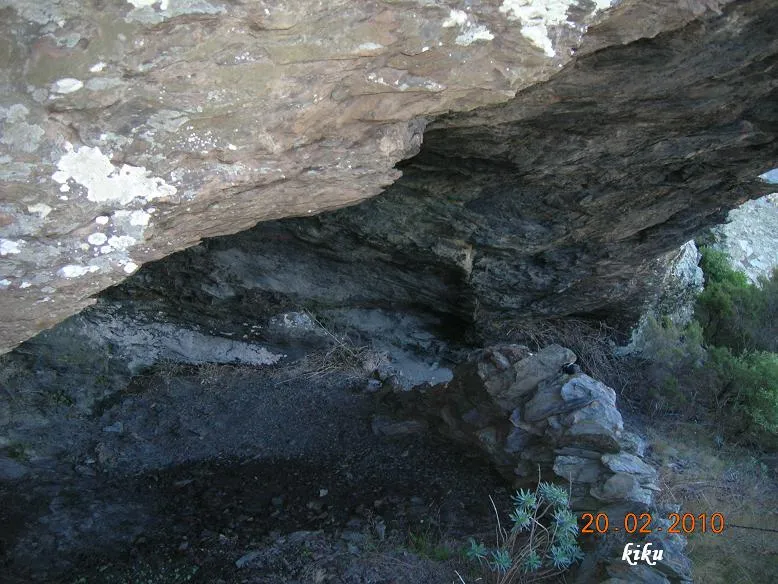
Espeleoindex · CC BY-NC 4.0, https://creativecommons.org/licenses/by-nc/4.0/ · Image © its author.
Description
Morphology
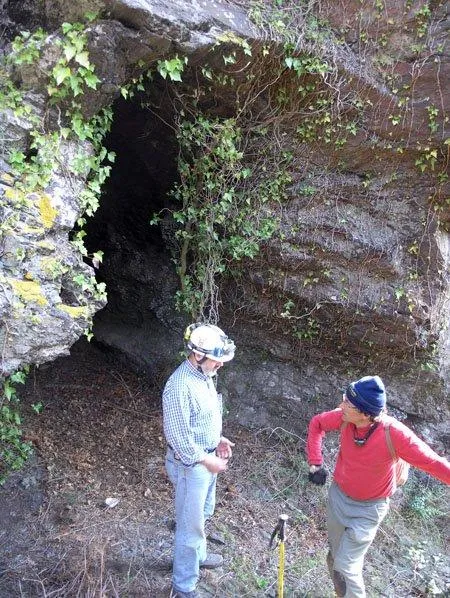
Cave with a wide entrance and 25 metres of passage, with two parallel galleries, the cross-section of which diminishes as we progress.
History
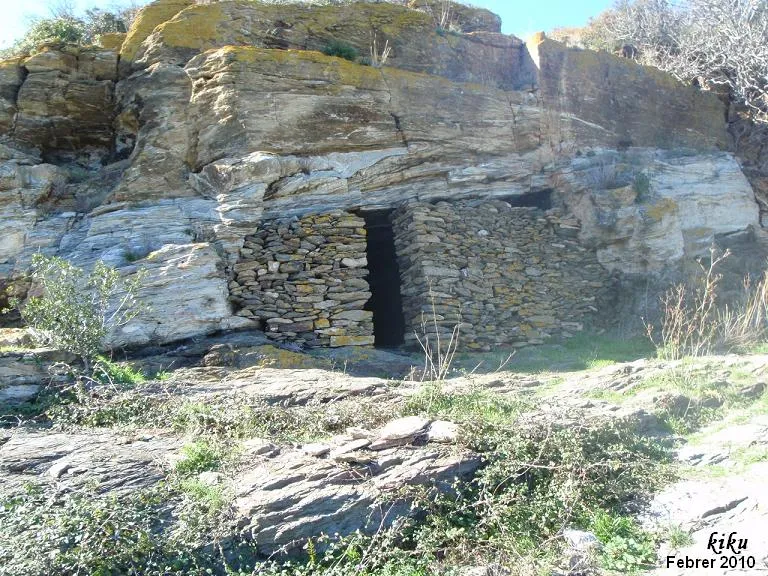
The cavity appears to have been known since ancient times in the area; at the entrance we find a dry-stone wall, which would indicate its human use.
The SIE of the CEA visited it on 22 April 2009, for biospeleological purposes, carrying out the survey of the cave.
Bio
This cavity was made known by Dr. Zariquiey in his research on subterranean fauna in the Alt Empordà. Given the small size of this cave and Zariquiey's comment that, to reach a damp area of the cavity, he used "una larga caña" to place the traps, its existence as a speleological phenomenon was doubted.
On 28/02/99, and thanks to the directions and guidance of Mr. Josep Palou of Roses, this hole was rediscovered, known in the area as "cova de l'Aigua": the shepherds (in illo tempore) used the drip to fill some vessel, and remains of these are still found in the cave.
Subsequently, I have frequented this cavity, (31/08/2000, 30/03/01, 21/12/01, 13/09/02, 07/09/03, 31/01/04, 06/03/04, 26/07/04, etc), alone or accompanied (J. Comas, J. Gabaldon), trying to collect a doubtful subspecies of Pseudospeonomus (Pseudospeonomus raholai luisbofilli). Not a single one has turned up, despite using, like Dr. Zariquiey, "una larga caña" to set the traps at the bottom of the cavity. The last visit I made was to accompany the "Espeleodijous" tribe on 22/04/09, surveying the cavity.
The collection problems have been solved by X. Fresneda, by considering the subspecies luisbofilli as a synonym of P. raholai.
(Note provided by Floren Fadrique, BIOSP and SIE – CEA, 02-07-2017)
User Comments (0)
No comments yet.
Be the first to share your experience!
Registered Explorations (0)
No explorations registered yet.
Register your visit to this cave!
Bibliography
- Borràs, J; Miñarro,J.M.; Talavera, F.(1980).-”el ripollès, la garrotxa i l'alt empordà”. Catàleg Espeleològic de Catalunya (vol.4):284. Ed. Políglota. Barcelona.
- Valles, J. de.(2010).-”Alt Empordà, Baix Empordà, Gironès, Osona, Pla de l'Estany, Selva”. Catàleg Espeleològic de Catalunya (vol.4):10. EC Gràcia / FCE. Barcelona.
- Topografia, fotos i dades extretes del blog (www.espeleobloc.com.es), post del dia 25-6-2009
Nearby caves


Source: Espeleoindex (espeleoindex.com), modified. CC BY-NC 4.0, https://creativecommons.org/licenses/by-nc/4.0/