
Nebelhöhle
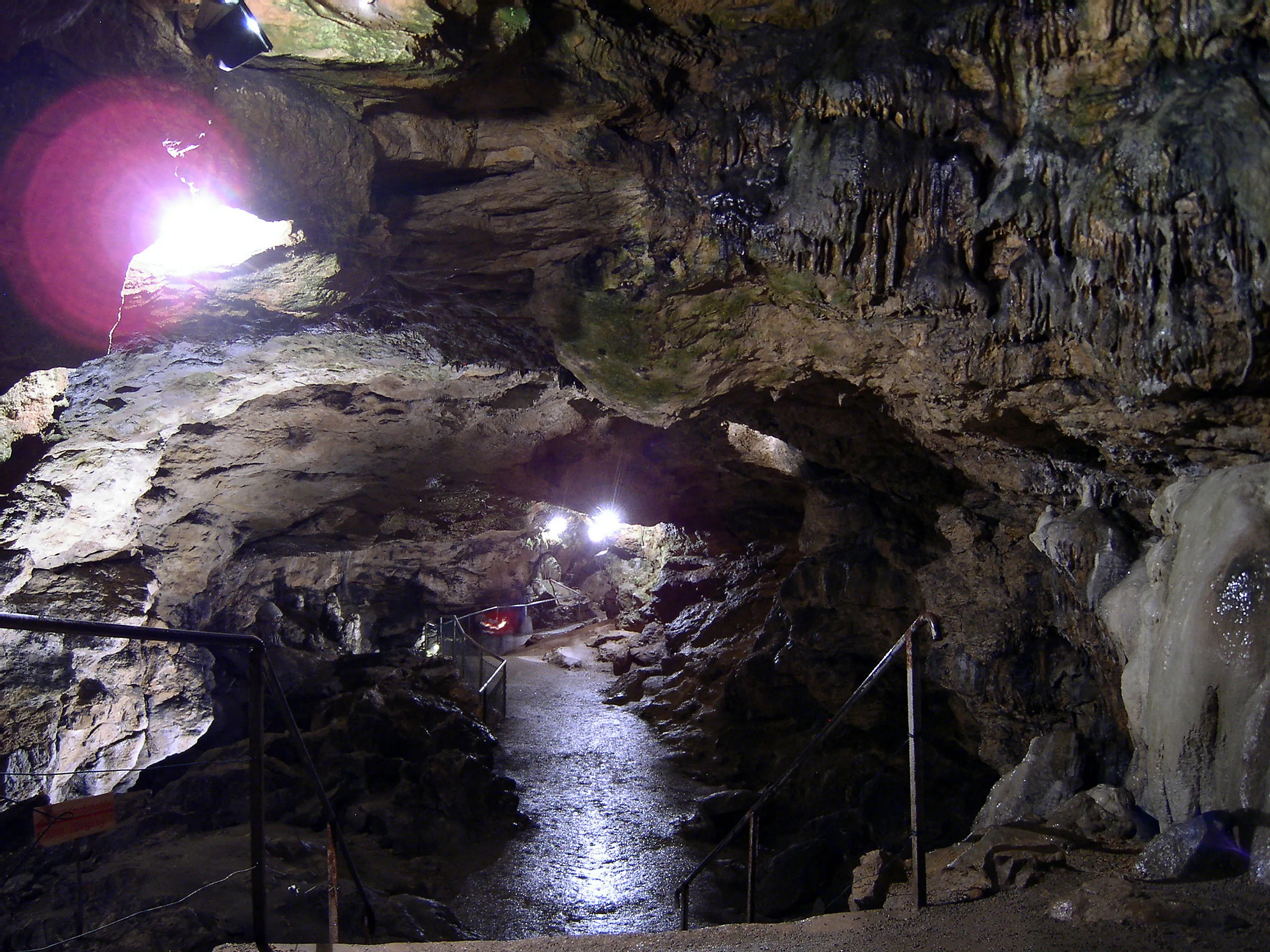
The Fog Cave is famous for its numerous formations, which were long covered by grime from torch-lit visits but have grown undisturbed since electric lighting was installed in 1924.
EspeleoWorld
Nebelhöhle
The Fog Cave is famous for its numerous formations, which were long covered by grime from torch-lit visits but have grown undisturbed since electric lighting was installed in 1924.
Lichtenstein
Sviluppo: 830 m · Profondità: 40 m
Scheda aggiornata
https://espeleoworld.com/it/c/nebelhoehle-lichtenstein
Le informazioni possono cambiare. Verifica sempre coordinate, accesso, meteo e condizioni della cavità prima di partire.
The Fog Cave is famous for its numerous formations, which were long covered by grime from torch-lit visits but have grown undisturbed since electric lighting was installed in 1924.
Foto
© macmorning · CC BY-SA 3.0, https://creativecommons.org/licenses/by-sa/3.0/ · Wikimedia Commons · https://commons.wikimedia.org/wiki/File:Nebelhoehle_2006.jpg
Descrizione
Concrezioni
The Fog Cave is famous for its numerous formations. Unfortunately, the early and numerous visits with torches as a light source produced a lot of grime covering the formations. Since 1924, when electric lighting was installed in the cave, the formations have grown undisturbed and many of them have a bright surface again. The black grime underneath a thin cover of calcite gives the cave a strange look.
A huge stalagmite in the cave was cut and polished after World War II. The rock, which looks similar to marble, was used to make a wall cover in the Stuttgarter Schloß (Stuttgart Castle). The remaining trunk of the stalagmite has a plain surface showing its inside. It looks like the rings of a tree, but these rings do not represent single years; they are formed by changes in the water supply and the content of iron oxide in the water.
Altri dettagli
Since the first visit by the sovereign Kurfürst Friedrich I. von Württemberg in 1803, the traditional Nebelhöhlenfest (Fog Cave Festival) is celebrated on Whitmonday.
According to a legend, Herzog Ulrich von Württemberg used this cave as a hideout many years ago. In his 1826 published novel Lichtenstein, the author Wilhelm Hauff (*29.11.1802, ✝18.11.1827) mixes true historic facts and fiction, producing a stirring adventure story.
Wilhelm Hauff also published a famous collection of fairy tales. His life and his importance for the area are shown in the Wilhelm-Hauff-Museum in nearby Lichtenstein-Honau (Sat, Sun, Hol 14-17 and after prior arrangement, Tel: +49-7129-4277).
Commenti degli utenti (0)
Nessun commento ancora.
Sii il primo a condividere la tua esperienza!
Esplorazioni registrate (0)
Nessuna esplorazione registrata.
Registra la tua visita a questa grotta!
Grotte vicine


Fonte: Geotopkataster Baden-Württemberg (Regierungspräsidium Freiburg – LGRB) (services.lgrb-bw.de), modificato. Data licence Germany – attribution – version 2.0 (dl-de/by-2-0), https://www.govdata.de/dl-de/by-2-0 Datenquelle: Regierungspräsidium Freiburg - LGRB, www.lgrb-bw.de · dati aggiornati a 2026 · Contiene informazioni da Grottocenter (Wikicaves), grottocenter.org, rese disponibili con la Open Database License (ODbL 1.0, https://opendatacommons.org/licenses/odbl/1-0/), modificate. · profondità, sviluppo · ottenuti il 2026-11-13 · https://grottocenter.org/ui/entrances/5842 · dati aggiornati a 2026 · Fonte: Show Caves of the World (Jochen Duckeck) (www.showcaves.com), modificato. CC0 1.0, https://www.showcaves.com/english/TermsOfUse.html Show Caves of the World (showcaves.com), Jochen Duckeck · Testo di Jochen Duckeck (Nebelhöhle) · adattato da Espeleoworld (normalizzato, tradotto); l'adattamento è rilasciato con licenza CC0 1.0, https://www.showcaves.com/english/TermsOfUse.html · nomi, descrizione · ottenuti il 2026-11-21 · dati aggiornati a 2026 · I dati derivati sono disponibili su richiesta con licenza ODbL: [email protected]