
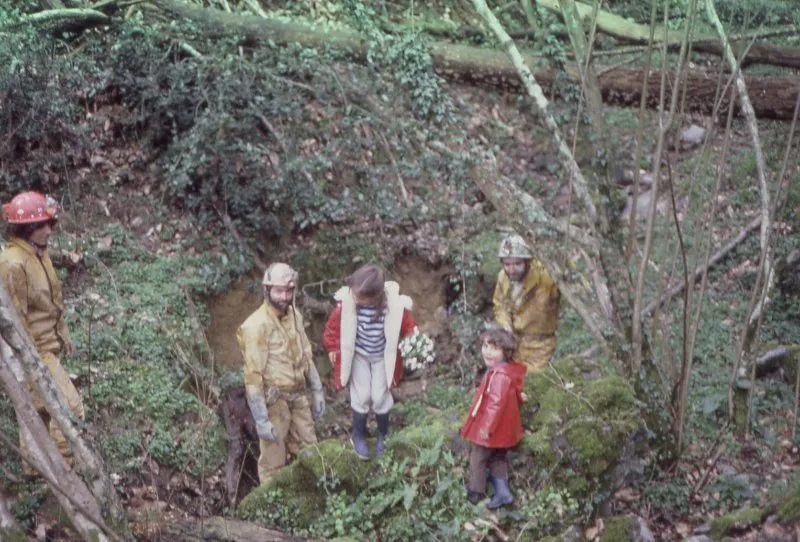
Meandro de Calero
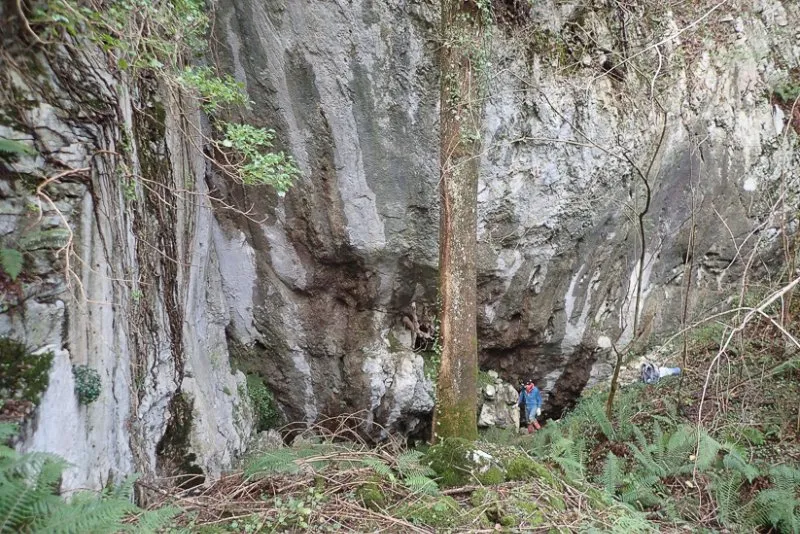
Entrance now filled in, in a small doline in the vallon d'Ancillo, whose initial drain, about a hundred metres long, is lost in an impassable conduit.
EspeleoWorld
Meandro de Calero
Entrance now filled in, in a small doline in the vallon d'Ancillo, whose initial drain, about a hundred metres long, is lost in an impassable conduit.
Ruesga
الطول: 100 m · العمق: 15 m
السجل المحدّث
https://espeleoworld.com/ar/c/meandro-de-calero-ruesga
قد تتغير المعلومات. تحقق دائمًا من الإحداثيات والوصول والطقس وظروف الكهف قبل الانطلاق.
موقع تقريبي: لا تُطبع خريطة ولا إحداثيات لهذا الكهف. يضع المصدر علامة على موضع هذا المدخل بوصفه غير مؤكَّد.
Entrance now filled in, in a small doline in the vallon d'Ancillo, whose initial drain, about a hundred metres long, is lost in an impassable conduit.
الطبوغرافيا
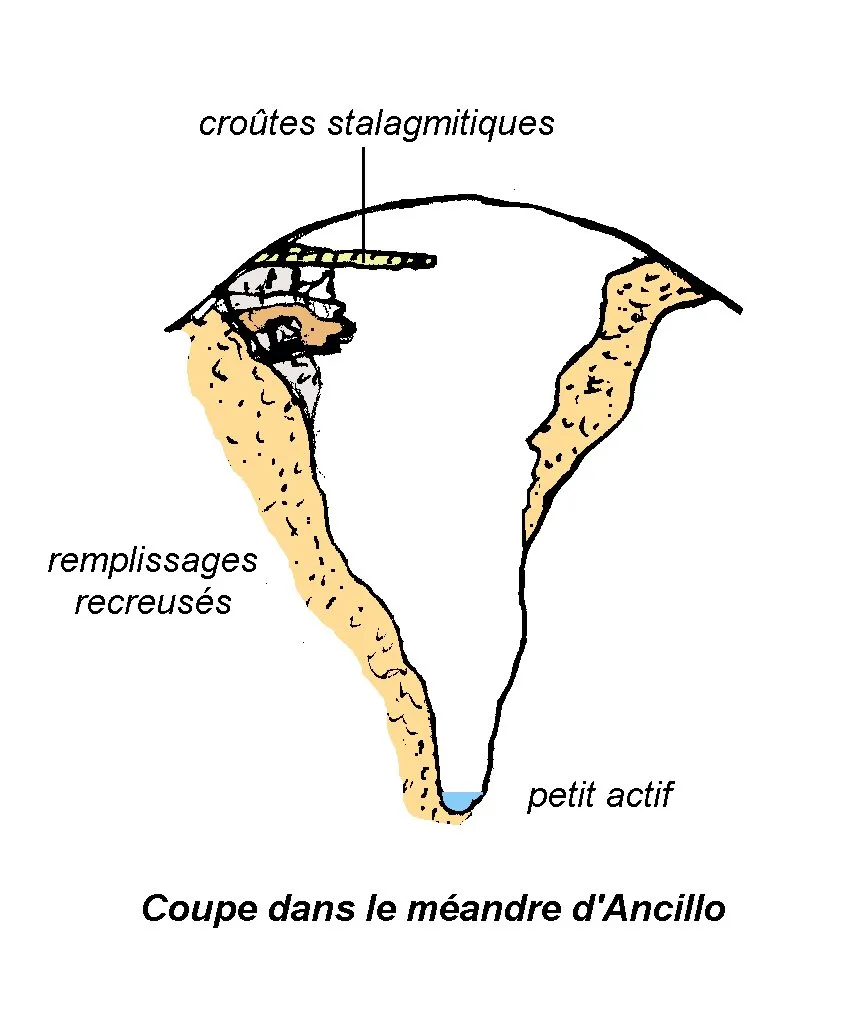
© S.C.Dijon (G. Simonnot) · CC BY-NC-SA (version not stated by the source), https://www.karsteau.org/karsteau/index.php · Karsteau: Coupe schématique dans le méandre · https://www.karsteau.org/karsteau/recherche/entree/recherche_entree.php?entree=22481
الصور
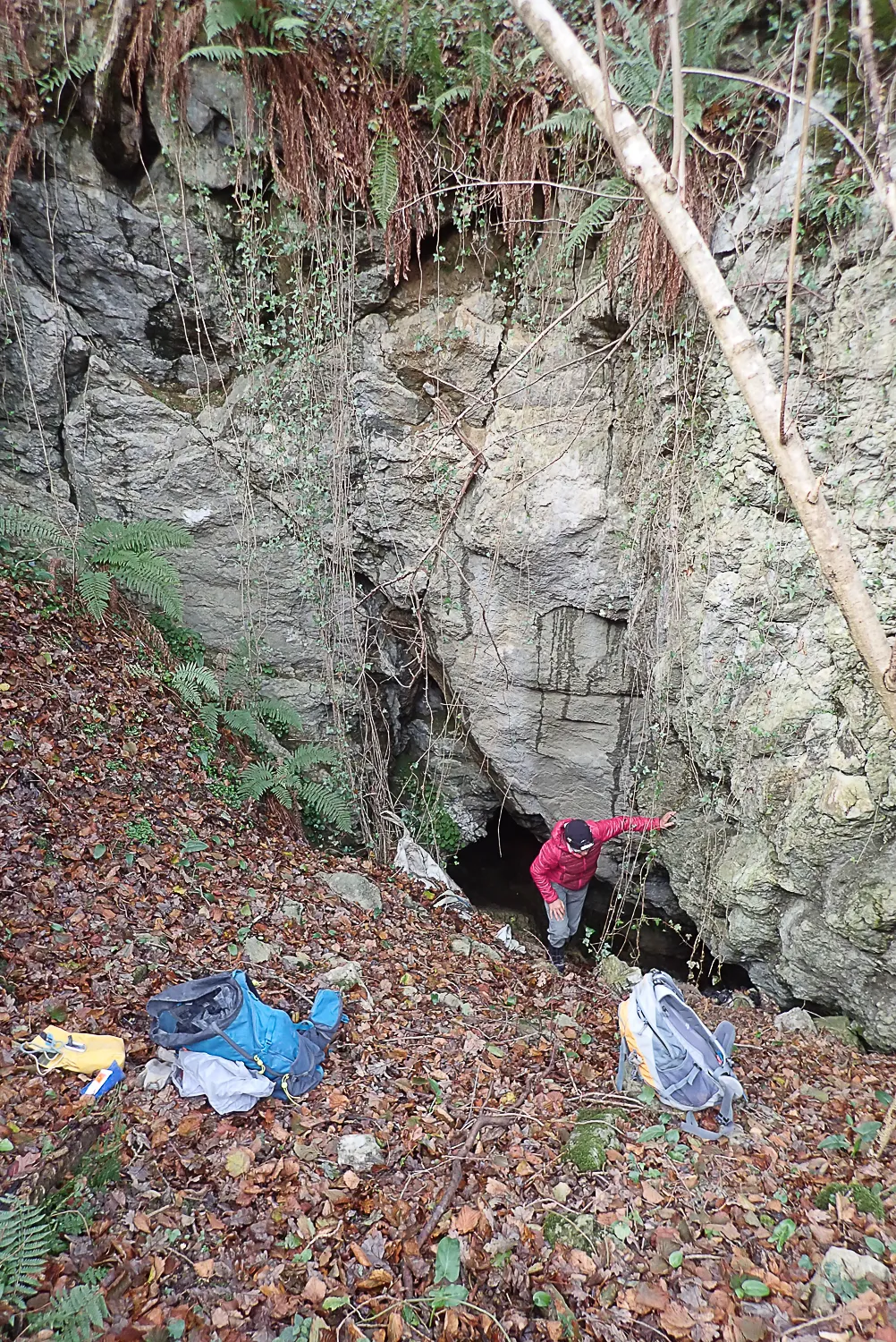
© Muriel Simonnot · CC BY-NC-SA (version not stated by the source), https://www.karsteau.org/karsteau/index.php · Karsteau: Meandro de Calero, entrada · https://www.karsteau.org/karsteau/recherche/entree/recherche_entree.php?entree=22481
الوصف
الشكل
The entrance, dug in the earth, has partly disappeared owing to the fall of an old oak right in the middle of the doline. At present (11/2018), only tiny draughts remain, which would need enlarging to find the initial drain again. This drain, about a hundred metres long, consists of a meander interspersed with small steps (2, 3 and 2 m). After its confluence with another meander, it ends in a chamber due to the presence of a well-marked fracture. Further on, it is lost in an impassable conduit after receiving 2 other small tributaries on the left bank. Large fillings are visible throughout the cavity.
المياه
During exploration, the stream's flow was estimated at 1 or 2 l/s.
Very weak draught of aspirating air reported during the 1986 exploration. By contrast, we detected no air movement in the draughts noted in November 2018.
Spring: Fuente Iseña?
التاريخ
The cavity was discovered and explored by the S.C. Dijon on 3 April 1986 (the Degouve and Simonnot families).
تعليقات المستخدمين (0)
لا توجد تعليقات بعد.
كن أول من يشارك تجربته!
الاستكشافات المسجلة (0)
لا توجد استكشافات مسجلة بعد.
سجل زيارتك لهذا الكهف!
الكهوف القريبة


المصدر: Karsteau (Fédération Française de Spéléologie et Canyon) (www.karsteau.org)، مع تعديلات. CC BY-NC-SA (version not stated by the source), https://www.karsteau.org/karsteau/index.php Karsteau (Fédération Française de Spéléologie et Canyon) · النص بقلم Karsteau (FFS) contributors · عدّلته Espeleoworld (توحيد الصيغة، ترجمة)؛ التعديل مرخّص بموجب CC BY-NC-SA (version not stated by the source), https://www.karsteau.org/karsteau/index.php · https://www.karsteau.org/karsteau/recherche/entree/recherche_entree.php?entree=22481 · بيانات عام 2026